Optimal Timing for Concrete Installations
Concrete installations are influenced by weather conditions and seasonal factors. Proper timing ensures optimal curing, durability, and appearance of the finished surface. Understanding the ideal periods for concrete work can help achieve long-lasting results.
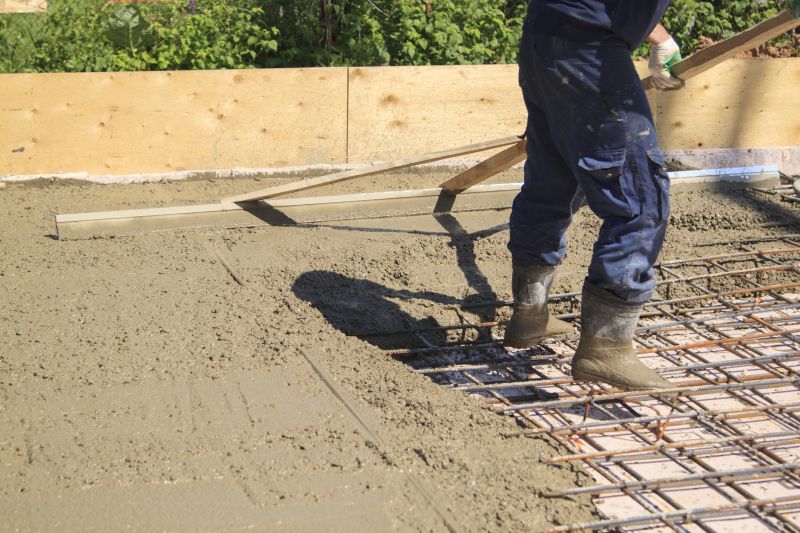
Spring offers moderate temperatures and lower precipitation, making it suitable for concrete work without the risk of freezing or excessive heat.
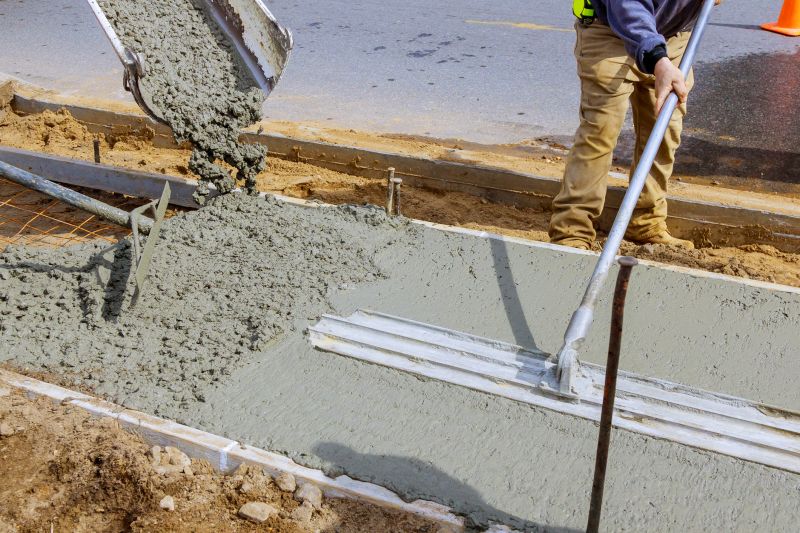
Summer provides warm weather, but high temperatures and humidity can cause rapid drying, requiring careful planning and hydration measures.
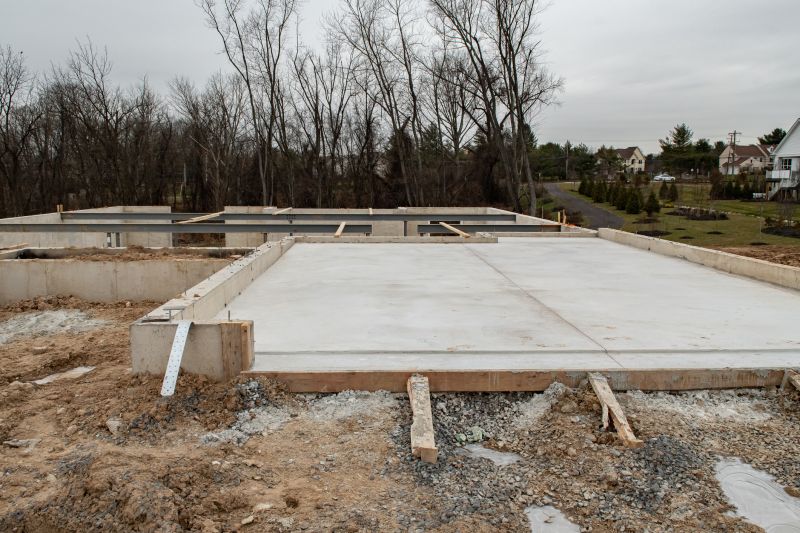
Fall's cooler temperatures and lower humidity levels help in achieving proper curing, especially before winter sets in.
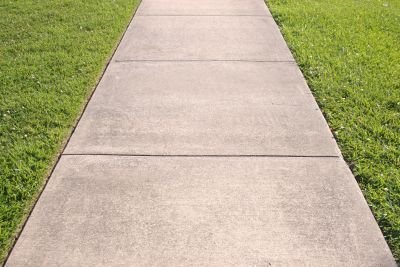
Ways to make Concrete Installations work in tight or awkward layouts.
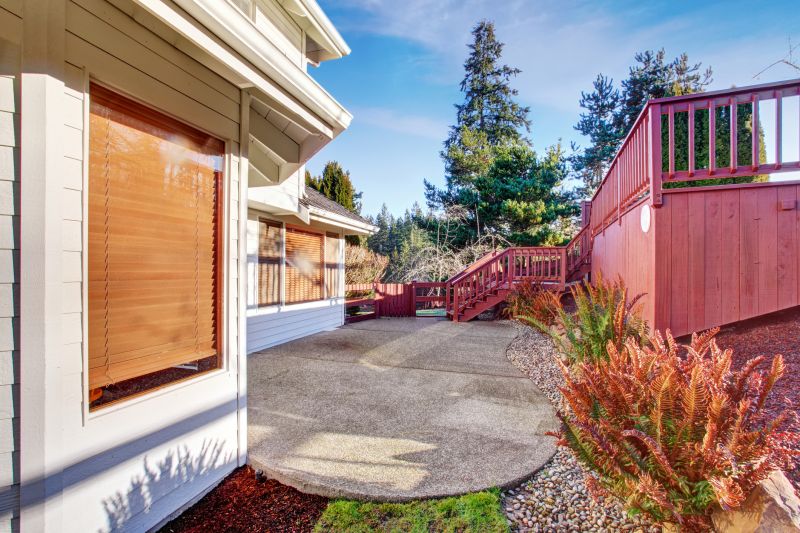
Popular materials for Concrete Installations and why they hold up over time.
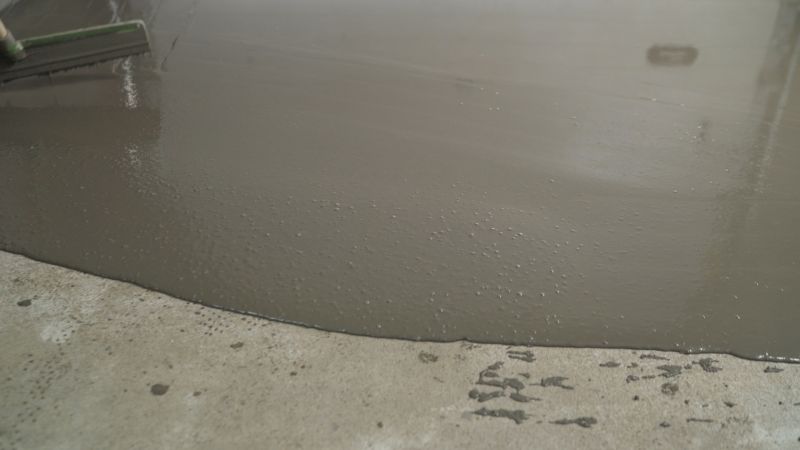
Simple add-ons that improve Concrete Installations without blowing the budget.
Timing is critical for concrete installations to prevent issues such as cracking, scaling, or incomplete curing. The optimal window varies based on local climate conditions and project scope. Generally, avoiding extreme temperatures and weather extremes enhances the quality of the concrete surface.
Ideal temperatures for concrete placement range from 50 to 85 degrees Fahrenheit. Temperatures outside this range can hinder proper curing and strength development.
Rain, freezing temperatures, and high humidity can negatively impact concrete curing. Scheduling during dry, moderate weather is recommended.
Spring and fall are typically optimal for concrete work, while summer and winter require additional precautions.
Proper curing lasts at least 7 days, with adjustments based on temperature and humidity conditions.
| Season | Ideal Conditions |
|---|---|
| Spring | Moderate temperatures, low precipitation |
| Summer | Warm weather, monitor for heat stress |
| Fall | Cooler temperatures, low humidity |
| Winter | Not recommended unless heated enclosures used |
Concrete installation timing depends heavily on local climate patterns. In Annapolis, MD, spring and fall generally provide the most favorable conditions for durable and high-quality concrete surfaces. Proper planning and weather monitoring are essential to avoid delays and ensure the longevity of the installation.
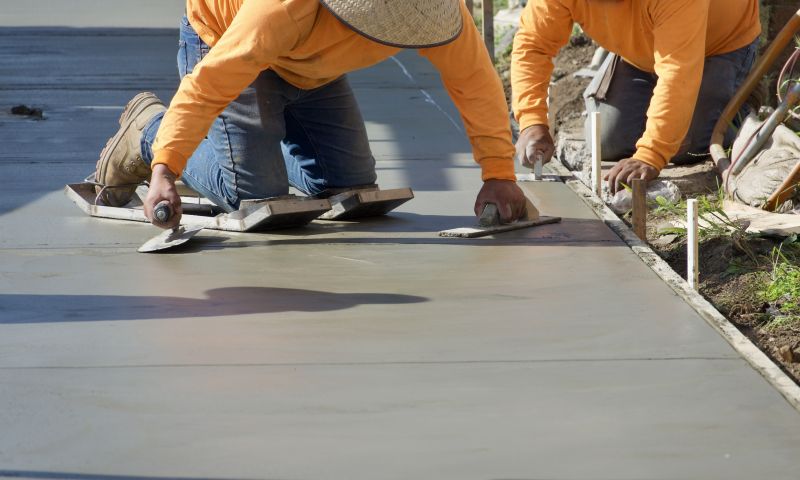
Spring offers optimal conditions with mild temperatures and minimal rain, supporting proper curing.
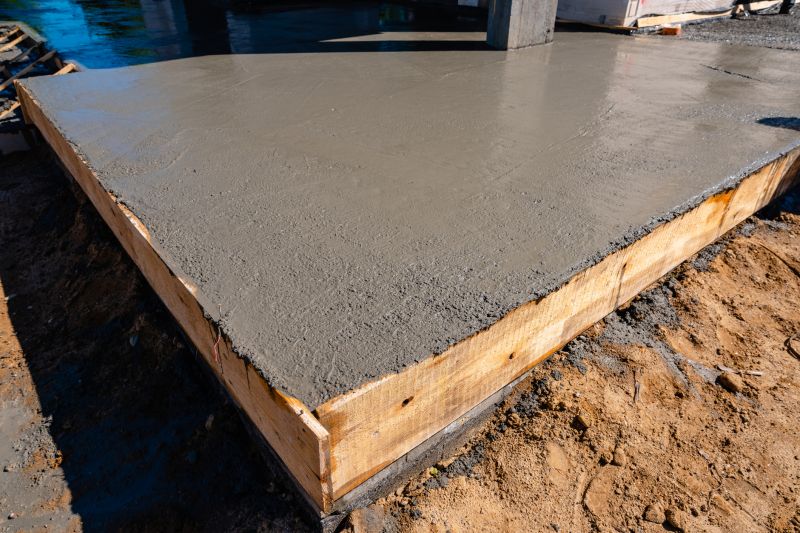
Summer requires precautions against rapid drying and temperature extremes.
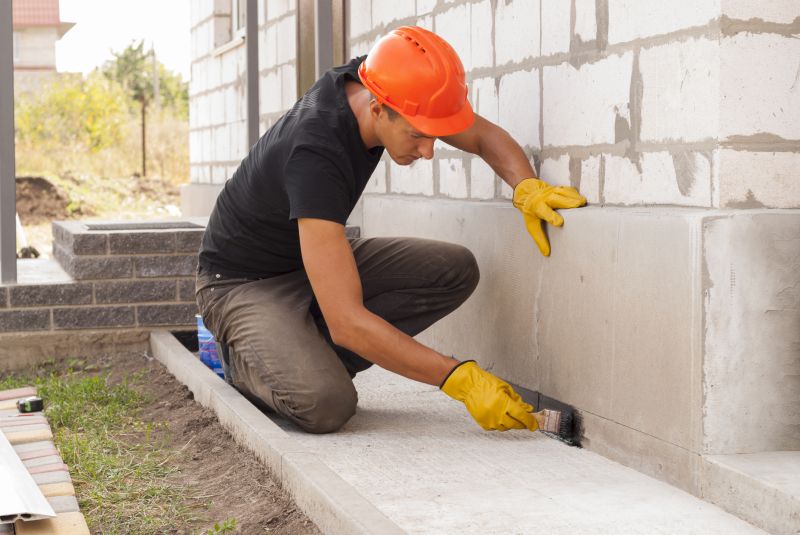
Fall's cooler weather supports strong curing and reduces cracking risk.
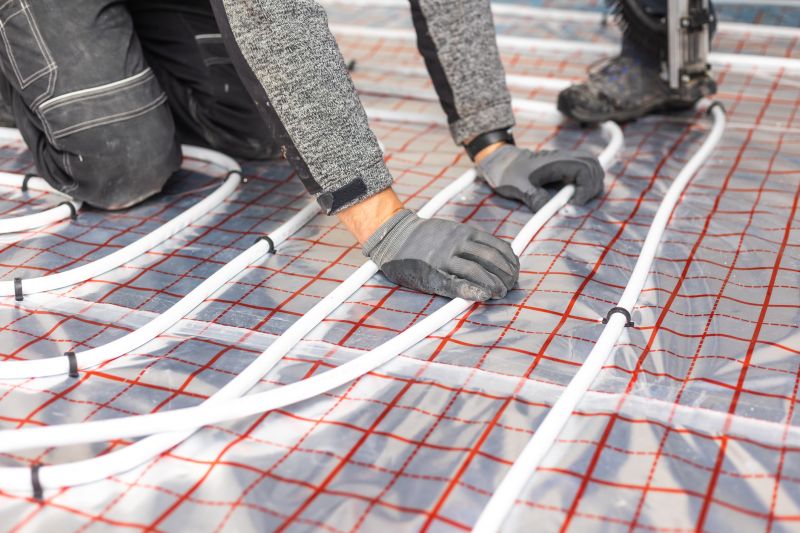
Winter is less suitable unless special measures like heated enclosures are used.
Choosing the right time for concrete installation enhances durability and reduces the risk of future repairs. Proper scheduling, combined with weather monitoring, ensures the concrete cures correctly and achieves the desired strength.
Regularly check forecast conditions to plan concrete work during suitable weather windows.
Spring and fall typically offer the best conditions for concrete projects in Annapolis.
Prepare the site during favorable weather to minimize delays and complications.
Interested in scheduling a concrete installation? Filling out the contact form can help determine the best timing based on local weather patterns and project specifics, ensuring a successful and durable outcome.