How Proper Installation Prevents Cracking and Settling
Choosing experienced local contractors ensures proper installation techniques that prevent cracking and settling, resulting in a durable, long-lasting concrete driveway.
Understanding how proper installation prevents cracking and settling is essential for property owners looking to ensure the longevity and durability of their concrete surfaces. In the local area, where weather fluctuations and soil conditions can impact concrete stability, working with experienced service providers can make a significant difference. Properly installed concrete driveways and other surfaces are designed to accommodate ground movement and environmental stresses, reducing the risk of costly repairs down the line. If you’re considering a new driveway or need existing concrete to stand the test of time, exploring how installation techniques influence durability can help you make informed decisions.
For property owners exploring concrete installation options, knowing that local contractors prioritize correct procedures can provide peace of mind. These professionals understand the importance of proper site preparation, reinforcement, and finishing techniques that prevent common issues like cracking and settling. By choosing skilled service providers, you’re more likely to achieve a smooth, stable surface that resists the natural shifts of the ground beneath it. Keep reading to discover practical insights into how proper installation practices can protect your investment and keep your concrete looking great for years to come.
- Concrete driveway installation services are essential for homeowners planning a new driveway to ensure proper weight distribution and prevent future cracking. Local contractors use appropriate sub-base preparation and precise pouring techniques to minimize settling issues. Proper installation methods help maintain the driveway’s structural integrity by controlling expansion and contraction caused by temperature changes. Service providers focus on joint placement and curing processes to reduce the risk of cracks developing over time. Contacting experienced local pros can help ensure the driveway is installed correctly to prevent common problems like cracking and settling.
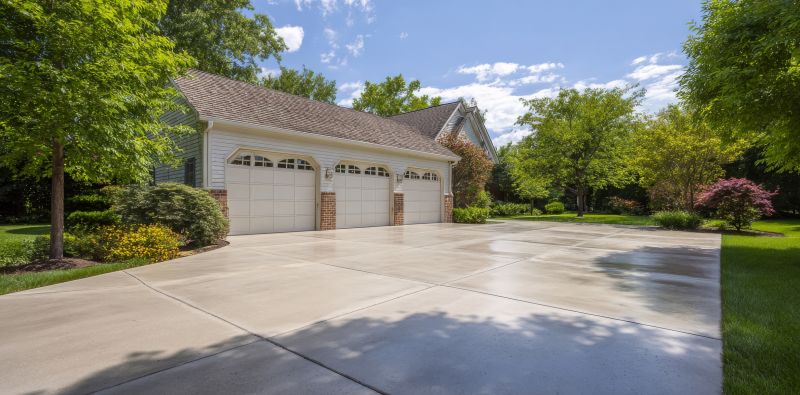
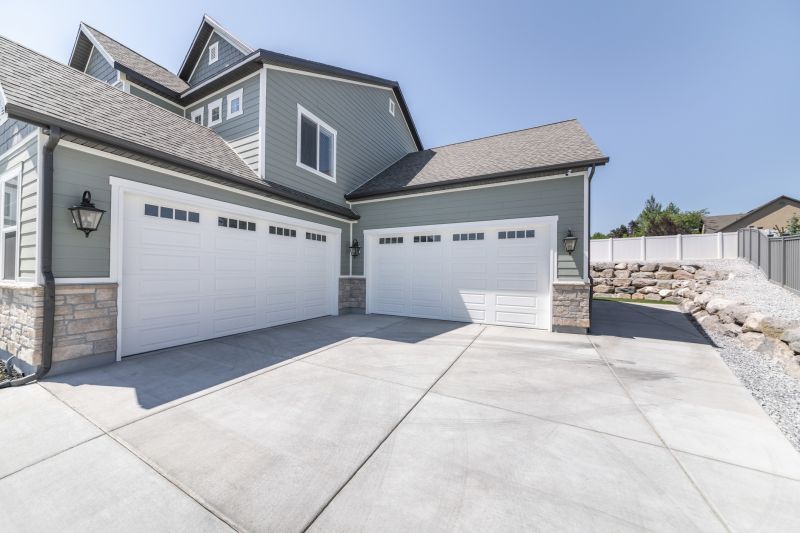
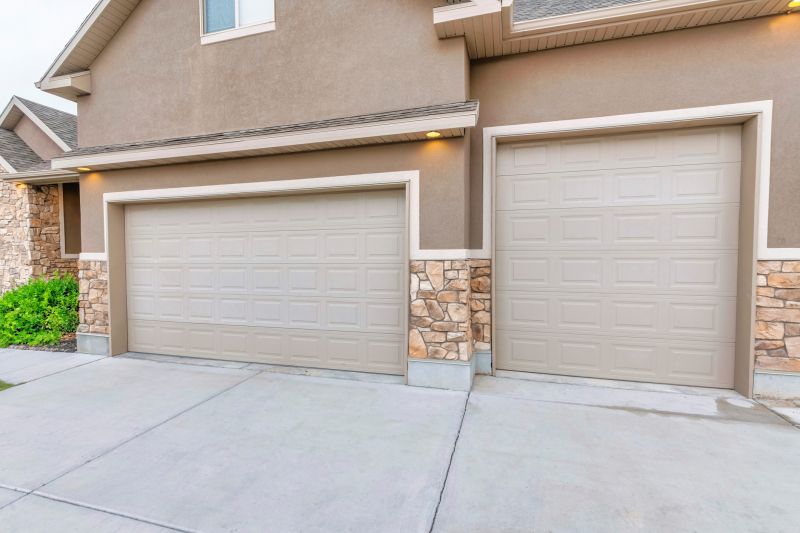
When people search for how proper installation prevents cracking and settling, they are often looking to understand the importance of correct techniques during the concrete driveway or slab installation process. Cracking and settling are common issues that can develop over time, leading to uneven surfaces, unsightly cracks, and potential structural problems. These concerns typically arise from poor initial preparation, improper mixing, or inadequate reinforcement, making it clear that a proper installation process is essential to ensure long-lasting stability. Homeowners and property owners want to know how to avoid costly repairs and maintain the appearance and safety of their driveways, which is why understanding the connection between installation practices and these problems is so important.
The problems associated with cracking and settling are usually linked to the quality of the groundwork and the materials used during installation. When a driveway or concrete slab is not installed on a well-prepared base, it can shift or settle unevenly as the soil beneath it moves or compacts over time. Common issues include surface cracks, uneven dips, and even structural failures that compromise the property’s appearance and functionality. These issues are often related to plans that neglect proper soil testing, insufficient reinforcement, or inadequate curing processes. For property owners planning new driveways, patios, or other concrete features, understanding how the installation approach influences these problems helps in making informed decisions and avoiding future headaches.
Properties that typically come up in discussions about proper installation are residential homes, commercial buildings, and parking areas. Residential driveways are especially vulnerable to cracking and settling if not installed correctly, as they bear the weight of vehicles and are exposed to seasonal soil movement. Commercial properties with large concrete surfaces also require careful planning to prevent uneven settling that could disrupt operations or pose safety hazards. In addition, properties built on expansive or unstable soils are more prone to these issues, making proper preparation and installation even more critical. Local contractors who specialize in concrete driveway installation understand these challenges and can ensure that the foundation and materials used are appropriate for each property’s specific conditions.
The role of local service providers in preventing cracking and settling cannot be overstated. Experienced contractors focus on proper site preparation, including soil testing and stabilization, to create a solid base for the concrete. They also employ techniques such as proper reinforcement with rebar or wire mesh, careful placement, and controlled curing to reduce internal stresses that lead to cracking. By choosing skilled professionals, property owners can significantly reduce the risk of future problems and extend the lifespan of their concrete surfaces. Proper installation practices directly influence the durability and appearance of a driveway, making it a worthwhile investment to work with local pros who prioritize quality work and attention to detail.
Paving Projects - Local contractors experienced in paving projects understand the importance of proper subgrade preparation to prevent cracking and settling in concrete surfaces.
Patio and Walkway Installations - These projects require precise planning and skillful execution to ensure long-lasting, crack-resistant concrete features.
Foundation and Slab Work - Proper installation techniques used in foundation work help minimize the risk of settling and structural issues in concrete slabs.
Garage Floor Concreting - Professionals handling garage floors focus on proper subbase and reinforcement to prevent future cracking and uneven settling.
Retaining Wall Construction - Proper planning and installation are key to maintaining stability and preventing cracks in concrete retaining walls.
Driveway Resurfacing - Experienced service providers use techniques that address existing issues and prevent new cracking or settling in resurfaced driveways.
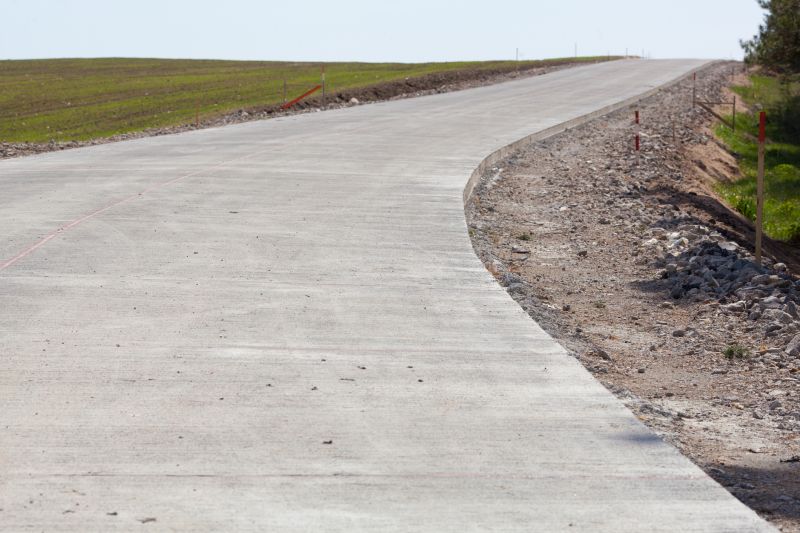
When comparing local contractors for concrete driveway installation, it is important to consider their experience with similar projects. A contractor who has successfully handled driveway installations in the past will be more familiar with the best practices for ensuring proper installation that prevents cracking and settling. They can provide insight into the specific techniques and materials that contribute to a durable, long-lasting driveway. Asking about previous work or requesting references related to driveway projects can help gauge their familiarity with the nuances of proper installation and their ability to deliver quality results.
Clear, written expectations are essential when evaluating potential service providers. A reputable contractor should be able to outline the scope of work, including surface preparation, subgrade stabilization, and finishing techniques, which are all critical to preventing issues like cracking and settling. Having these details in writing helps ensure that both parties are aligned on the process and quality standards. It also provides a reference point throughout the project, reducing misunderstandings and ensuring that the contractor’s approach aligns with best practices for a stable, well-installed driveway.
Good communication and reputable references are key factors in selecting a reliable local contractor. Service providers who are transparent about their methods and willing to answer questions about how they ensure proper installation are more likely to prioritize quality work. Additionally, seeking references from previous clients can offer insights into the contractor’s ability to deliver durable results and handle challenges effectively. Connecting with past customers who have had similar driveway projects can provide confidence that the contractor understands how proper installation techniques contribute to preventing cracking and settling over time.
Property owners often search for how proper installation prevents cracking and settling when they are planning practical projects around their homes and businesses. Local pros provide Concrete Driveway Installation services for everyday jobs and straightforward project options.
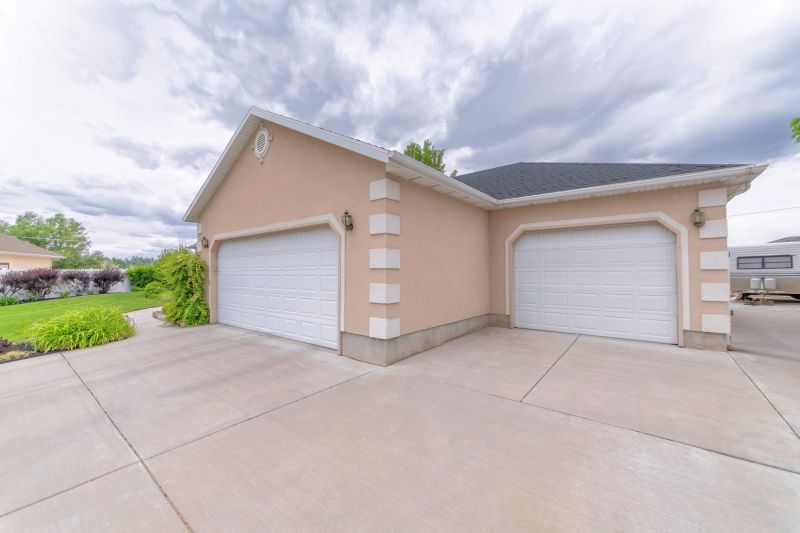

Proper installation plays a crucial role in preventing cracking and settling in concrete driveways. When local contractors carefully prepare the ground, ensure proper grading, and use quality materials, the risk of uneven settling or surface cracks diminishes significantly. This attention to detail helps create a stable foundation that can withstand temperature changes and ground movement, which are common causes of damage over time. Homeowners in the area often seek out experienced service providers who understand the local soil conditions and climate factors to ensure their driveway remains durable and visually appealing for years to come.
Choosing skilled local contractors for concrete driveway installation can make a noticeable difference in the longevity of the surface. Proper techniques, such as adequate reinforcement and controlled curing processes, are essential to avoid common issues like cracking and settling. Property owners considering a new driveway or repairs should look for service providers who prioritize proper installation practices, as this can help prevent costly repairs down the line. Connecting with reputable local pros ensures the project is handled with the expertise needed to achieve a smooth, stable, and long-lasting driveway.
How does proper installation prevent cracking in concrete driveways? Proper installation ensures correct subgrade preparation and reinforcement, which helps distribute loads evenly and reduces stress points that can cause cracking.
Why is proper joint placement important for preventing settling? Proper joint placement allows the concrete to expand and contract naturally, minimizing uneven settling and reducing the risk of surface unevenness over time.
How do local contractors ensure proper installation to avoid future problems? Local service providers follow best practices for soil preparation, adequate reinforcement, and precise finishing techniques to promote long-lasting, stable concrete driveways.
Can proper installation techniques help with existing issues like cracking or settling? While proper installation primarily prevents future problems, experienced contractors can also address and repair existing cracking or settling to improve driveway stability.
What role does soil preparation play in preventing cracks and settling? Proper soil preparation provides a stable foundation, reducing movement beneath the concrete that can lead to cracking and uneven settling over time.
Proper site preparation ensures the ground is stable and well-compacted, reducing the risk of uneven settling that can cause cracks.
Accurate slab thickness and reinforcement help distribute weight evenly, preventing stress points that lead to cracking over time.
Proper joint placement allows the concrete to expand and contract naturally, minimizing the chances of uncontrolled cracking.
Choosing experienced contractors ensures best practices are followed during installation, significantly lowering the risk of future settling issues.
If you are thinking about how proper installation prevents cracking and settling for a property, this guide is meant to help you understand this topic, the typical project types, and how different options might fit your plans.
When you are ready, you can use the quote form on this page to share a few details about your project. From there, local pros can review the basics and follow up with options that match what you have in mind.